

Managing process water quality in heater-cooler units
The risk posed by microbiological contamination of the process water of heater-cooler units (HCUs) with pathogens such as Pseudomonas aeruginosa, Legionella pneumophila, and Mycobacterium chimaera requires continuously reliable cleaning and disinfection.
WCD2 ensures the reliable cleaning/disinfection of HCU process water through short, automated treatment cycles. The need for manual cleaning/disinfection with aggressive chemicals, workload, and chemical exposure are minimized. This improves occupational health, device availability, and service life. Through daily use, microbial growth in the process water is generally prevented and risk in the clinical environment is minimized.
The Problem
Pathogens in HCU Process Water
Microbiological contamination of HCU process water can represent a potential health risk factor and requires reliable quality control. Pseudomonas aeruginosa, Legionella pneumophila, and Mycobacterium chimaera have been clearly associated in numerous studies with contaminated process water and related infections.
Demand for Extensive Cleaning
Maintaining hygienic process water conditions requires recurring cleaning and disinfection procedures involving strong chemical agents such as hydrogen peroxide, peracetic acid, and chlorine-based disinfectants, which may damage the HCU and even pose occupational health risks for staff.
High Operational Resource Demand
Conventional cleaning protocols require substantial perfusion staff time and can take several hours per device each month. They also reduce HCU availability, increase documentation effort and operational costs, and contribute to long-term component wear due to repeated chemical exposure.
Substantial Economic Impact
Downtime, personnel workload, occupational exposure risks from repeated handling of chemical disinfectants, recurring consumables, and lifecycle effects on system components create operational and financial pressure for clinical institutions and can affect long-term service planning for HCU fleets.
The Solution:
WCD2 - Automated Process Water Treatment for HCUs

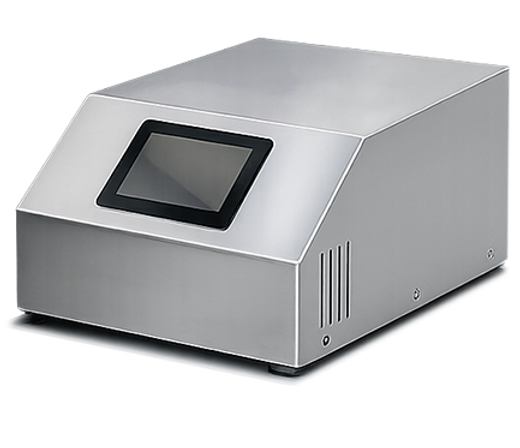
WCD2 is an electrochemical process water quality system for HCUs. It treats process water using boron-doped diamond electrode technology and operates in short automated routine cycles as part of regular technical workflows. The system supports stable microbiological process water conditions and reduces the need for recurring manual chemical disinfection routines.

Key features
WCD2 advantages at a glance

Automated process water cleaning & disinfection
The fully automated treatment process is started with a single button press and takes only 10 minutes.

Patented electrochemical oxidation technology
Oxidative agents are generated directly from process water using patented boron-doped diamond electrodes.

Compatible with common HCUs
WCD2-cHCU1 and WCD2-cHCU2 are designed for integration with widely used HCU architectures.

Maintains pathogen-free process water conditions
The WCD2 treatment keeps HCU process water free from microbial contamination.

Integration into existing HCU infrastructure
WCD2 connects externally to compatible HCUs and treats the entire process water volume without technical adjustments.

Automated process documentation support
All treatment processes are fully automated, digitally recorded and traceable as part of reproducible management routines.
Step 1
Connecting the hoses
For process water treatment, the existing HCU hoses are disconnected from the attached components and connected directly to the WCD2 without modification of the system. No additional tools or equipment required.
Step 2
Starting the treatment
The complete process water is routed through the WCD2 flow cells. Water in additional connections, such as drain lines, can also be treated. This ensures that process water volumes often missed in conventional procedures are included in the treatment process.
Step 3
10-minute treatment cycle
Reactive oxidants are generated electrochemically in the WCD2 flow cells and inactivate microorganisms and pathogens throughout the entire process water.
Result
Disinfected process water
The entire process water remains permanently pathogen-free, ensuring stable and reliable operating conditions.
The technology
Meet our patented Boron-Doped Diamond (BDD) Electrode Technology

Industrial-grade flow cells with more than 20 years of experience
WCD2 uses pro aqua's patented BDD electrode flow cells that have been used in industrial water treatment applications for more than 20 years
Versatile electrochemical oxidation capability
BDD flow cells allow the treatment of a wide range of contaminants, from microorganisms to persistent substances such as PFAS and other organic residues
In situ generation of highly reactive oxidants directly from water
As water passes through the flow cell, highly reactive species are generated at the electrode surface and inactivate microorganisms in the process water.
Highly durable electrode material for continuous technical operation
The diamond electrode surface is chemically inert and resistant to corrosion, ensuring reliable oxidation performance over very long operating periods.
Your benefits
Less Cleaning. More Perfusion.

Automated treatment
-
Starts with a single button press
-
Runs unattended
-
Consistent treatment every day
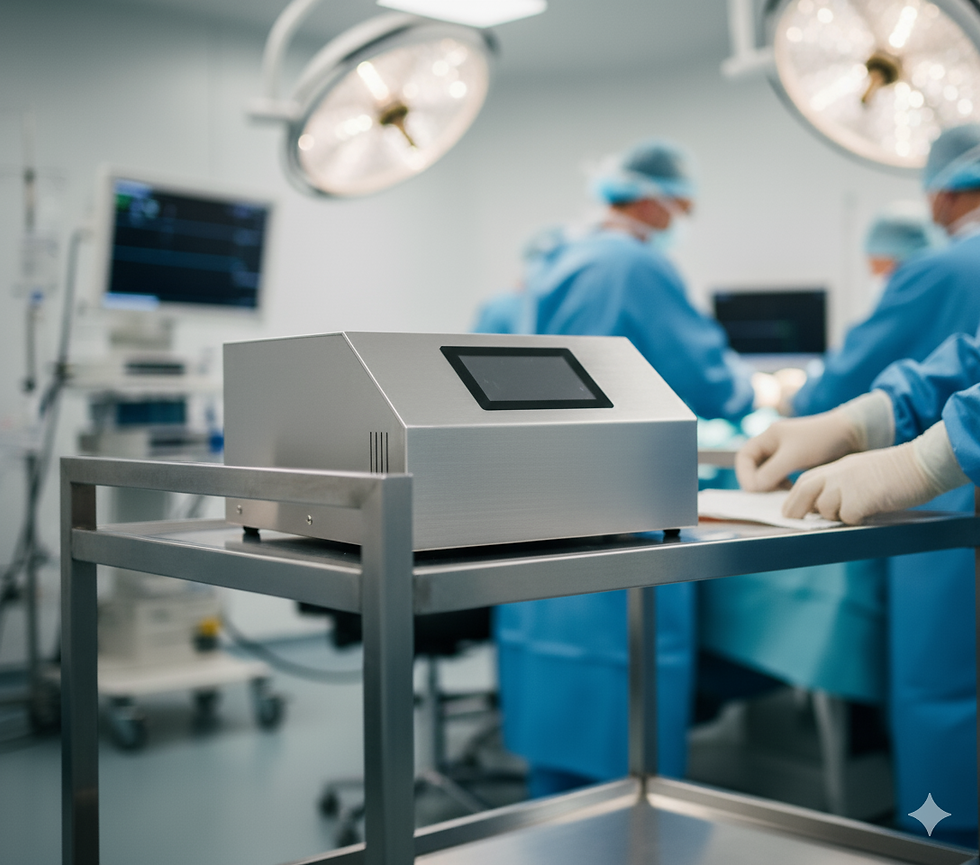
Reduced maintenance time
-
10 minutes of automated cleaning per day
-
Runs while staff performs other tasks
-
No interruption of perfusion routines
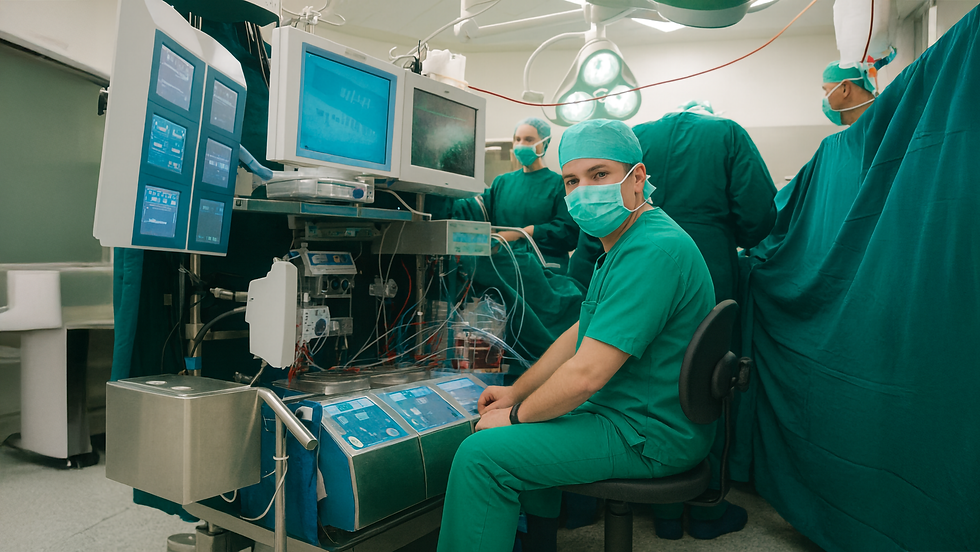
Increased HCU availability
-
Predictable 10-minute daily routine
-
Minimal device downtime
-
Immediate readiness
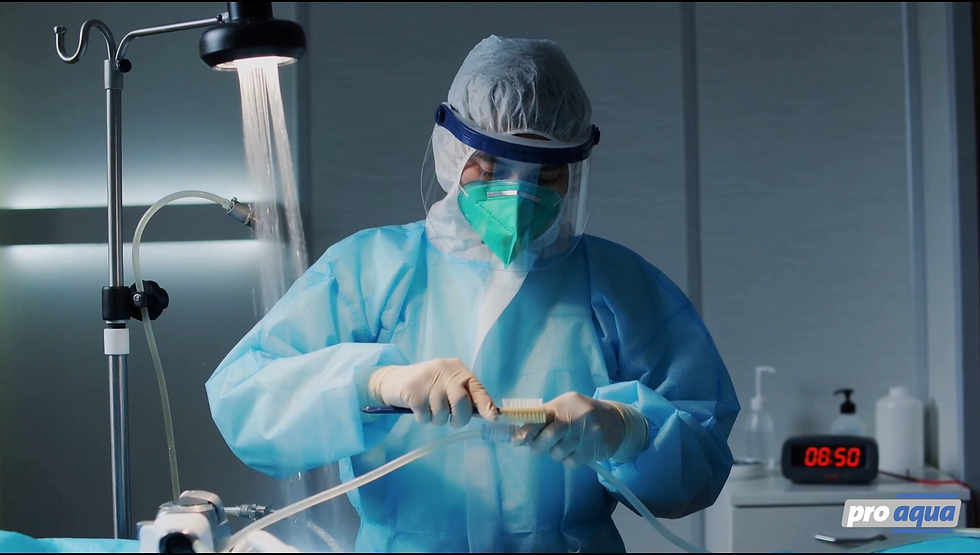
Improved occupational safety
-
In situ process water disinfection
-
Low active agent concentrations
-
Occupational safety

Lower consumables dependency
-
Reduced need for disinfectants
-
Reduced procurement effort
-
No dedicated infrastructure required

Structured documentation
-
Automated recording of treatment cycles
-
Reproducible routines
-
Transparent process history

Improved material compatibility
-
Operation with low oxidant concentrations
-
Reduced long-term component stress
-
No recurring shock disinfection exposure
Same operation for multiple HCUs
-
Operator-independent treatment
-
Predictable routines across installations
-
Scalable integration into service structures
How it works
System preparation: WCD2 operation requires a microbiologically clean HCU following baseline decontamination. A small amount of WCD2 salt mixture is added to the process water to establish the conductivity required for electrochemical treatment.
